
Practical Advice from Building Surveyors
We are often contacted by clients very early in the buying process, sometimes even before an offer has been made. In many cases, this early engagement is invaluable. Decisions taken at the outset can materially affect not only the outcome of a purchase, but also how smoothly the process unfolds and how well risks are managed.
Based on our experience surveying a wide range of properties, from modest homes to complex period and listed buildings, we have set out below some practical considerations that can help buyers in the early stages.
Be Open with Your Surveyor
One of the most important principles when instructing a building surveyor is openness.
If you are aware of issues at the property, or have concerns based on viewings or conversations with agents or owners, it is always better to discuss them with us at the outset. Our role is to investigate buildings objectively and pragmatically. A clear conversation at the start often allows us to focus our inspection more effectively and provide clearer, more targeted advice.
Attempts to conceal defects are rarely successful. Surveyors are trained to identify inconsistencies, patterns and symptoms, and well-placed furniture, rugs or shelving do not obscure underlying issues. In practice, openness builds trust and leads to a better outcome for everyone involved.
Don’t Let Charm Override Judgment
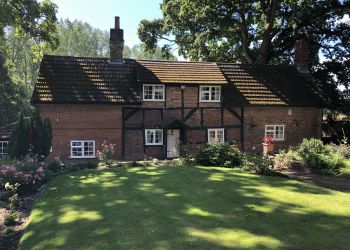
We are fortunate to survey some exceptional buildings, often in outstanding settings. However, one of our key responsibilities is to look beyond first impressions.
At the start of any inspection, we take time to understand the building as a whole, its form, setting and character, before stepping back and assessing it critically. Buyers can understandably become captivated by a property’s appearance or atmosphere, particularly with older or historic buildings. Our role is to look past that charm and focus on building pathology: how the building works, how it has been altered, and where defects may exist.
A careful, methodical approach helps ensure that the romance of a property does not obscure practical considerations.
Modern Tools Support Traditional Inspection
While surveying remains fundamentally observational and experience-led, we also use appropriate technical equipment to support our assessments where relevant.
For example, thermal imaging can be useful in identifying temperature differentials that may indicate moisture, insulation defects or air leakage. Used correctly and interpreted in context, such tools can help highlight issues that are not immediately visible during a standard inspection.
However, technology is never used in isolation. Results must always be considered alongside the building’s construction, materials, environment and condition to avoid misinterpretation.
Other Practical Steps to Take Early On
Beyond the survey itself, there are several other matters that buyers should consider early in the process.
It is sensible to appoint an established and well-recommended solicitor with appropriate experience, particularly if the property is older, listed or located in a conservation area. Legal issues can have a significant impact on timing and risk, and specialist knowledge is often invaluable.
We also recommend visiting the property at different times of day and on different days of the week. A house can feel very different in the evening compared to midday, and changes in light, noise or activity can alter perception considerably.
Where possible, take time to understand the building’s history. Older properties often tell a story through their construction, alterations and repairs. Historic information can help explain why certain issues exist and how the building has evolved.
The surrounding area also matters. Visiting local shops, schools and amenities, and observing the wider neighbourhood, can provide useful context that is not always apparent during a short viewing.
Finally, if appropriate, speaking to neighbours can be enlightening. They often have a detailed understanding of the area and, occasionally, of the property itself.
Final Thoughts
Early decisions set the tone for the entire purchase process. Engaging professional advisers at the right time, being open about concerns, and taking a measured, informed approach can significantly reduce uncertainty and avoid unpleasant surprises later on.
A building survey is not simply a formality; it is an opportunity to understand a property properly before making a long-term commitment. Approached early and used wisely, it can be one of the most valuable steps in the buying process.
Subtle Call to Action
If you are at an early stage of buying a property, particularly an older or period building — we are always happy to discuss the most appropriate timing and scope of a survey before you proceed. Contact us.