

01722 683 849
  • Services
    • RICS Level 3 Building Survey
    • RICS Level 2 Homebuyer Survey
    • Listed Building Survey
    • Damp & Timber Survey
    • Party Wall
    • Defects Survey
    • Snagging Survey
    • Drone Survey
    • Thatch roof inspection
  • About Us
    • The Team
    • Recruitment
    • Locations
  • Useful Information
    • Buying a Listed Building
    • Damp and Condensation Advice
    • Surveying Old Houses
  • Contact Us
  • Book A Survey
01722 683 849
  • Services
    • RICS Level 3 Building Survey
    • RICS Level 2 Homebuyer Survey
    • Listed Building Survey
    • Damp & Timber Survey
    • Party Wall
    • Defects Survey
    • Snagging Survey
    • Drone Survey
    • Thatch roof inspection
  • About Us
    • The Team
    • Recruitment
    • Locations
  • Useful Information
    • Buying a Listed Building
    • Damp and Condensation Advice
    • Surveying Old Houses
  • Contact Us
  • Book A Survey
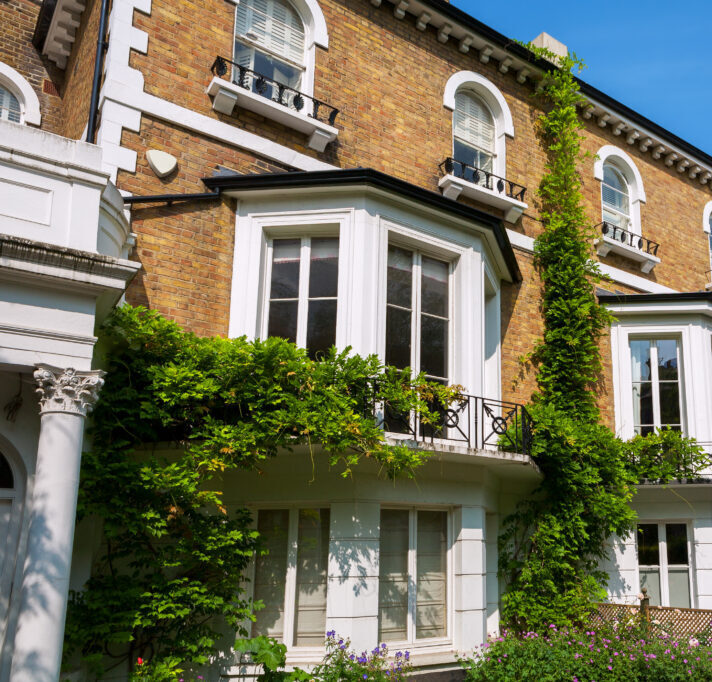
Town houses

RICS Level 3 Building Survey

Avoid unexpected costs after exchange

About our RICS Level 3 Building Survey

At Smith Heritage Surveyors, we provide detailed building surveys across Wiltshire, Hampshire, Dorset, Bath, Somerset, Berkshire, Surrey, Oxfordshire, London, and beyond.

The RICS Level 3 Building Survey is a comprehensive inspection and report of your property purchase. It offers an in-depth analysis of a property’s condition, identifying defects, structural issues, damp, timber decay, and maintenance concerns, while also giving you practical advice on repairs, costs, and future upkeep.

Every survey is carried out by our highly qualified, RICS-accredited and experienced surveyors, who specialise in heritage homes, listed buildings, period properties, and non-standard construction.

A Level 3 Building Survey is strongly recommended if you are:

  • Buying an older (pre-1930s) property

  • Purchasing a listed or unusual building

  • Considering a property that has been extended, altered, or of non-standard construction

  • Planning major works or renovations

With us, you’ll receive a service that goes beyond the basics, providing the insight, detail, and confidence you need to make informed decisions about your home.

Our building surveys conform to the RICS Home Survey Standard and are aligned with BS 7913 and the RICS damp methodology.

Town houses

Peace of mind for older, period & complex homes

What’s included in a RICS Level 3 Building Survey?

  • Clear, jargon-free report – easy-to-understand findings with practical recommendations.
  • High-level roof inspection – using telescopic pole camera or drone to assess roof structures, chimneys, and rainwater goods.
  • Full visual inspection of all internal and external elements including walls, ceilings, roofs, guttering, doors, and windows.
  • Damp & timber decay assessment - assessing issues such as penetrating damp, condensation, rising damp, timber decay, woodworm, and rot.
  • Structural assessment – identifying issues such as subsidence, unevenness, cracking and building movement.
  • Indicative repair costs – where possible, to help you understand the value of required works.
  • Legal and compliance advice – guidance on guarantees, planning permissions, building control issues, and disputes (to be followed up by your conveyancer).
  • Fast turnaround – full report delivered as a PDF within five working days (hard copy available at extra cost). Express turn around 24 hours for additional fee.
  • Personal service – speak directly to your surveyor on the day of inspection, with a follow-up call to explain findings. Ongoing support – continued access via email and phone for any questions after your survey.
  • At Smith Heritage, each surveyor only undertakes one survey per day and a maximum of three per week, so you can be confident your property gets the time, detail, and care it deserves.
  • Convenient WhatsApp service – message us directly for quick updates, questions, or to share photos.
  • Tell us what's important to you - talk to your surveyor prior to the inspection ensuring they cover and advise on tings that matter to you, concerns you have or may have seen on viewings.

Make an Informed Decision

Book a RICS Building Survey

Smith Heritage Surveyors provide RICS Level 3 Building Surveys across Wiltshire, Dorset, Somerset, Hampshire and the wider South of England, with particular experience in older, period and traditionally constructed properties. After reading what’s included, the next step is to have the survey applied to your specific house, its construction, its alterations and its location.

Our reports are clear, fully illustrated and prioritised, helping you understand what needs attention now, what can be planned, and what this means in practical terms before you proceed. If you would like the most detailed assessment available under the RICS Home Survey suite, you can book your RICS Level 3 Building Survey with Smith Heritage Surveyors today.

Book Your Survey

Findings on a Recent Survey

RICS level 3 Building Survey in Salisbury Case Study

Smith Heritage Surveyors were instructed to undertake a RICS Level 3 Building Survey of this 19th Century Property in Salisbury, Wiltshire. The property was of traditional construction, meaning a solid wall building, bed and pointed in earth lime mortars. All of our surveys follow a methodical approach in line with RICS and RPSA survey standards. This ensures no area is missed and that the surveys and reports are clear in our assessment and outcome.

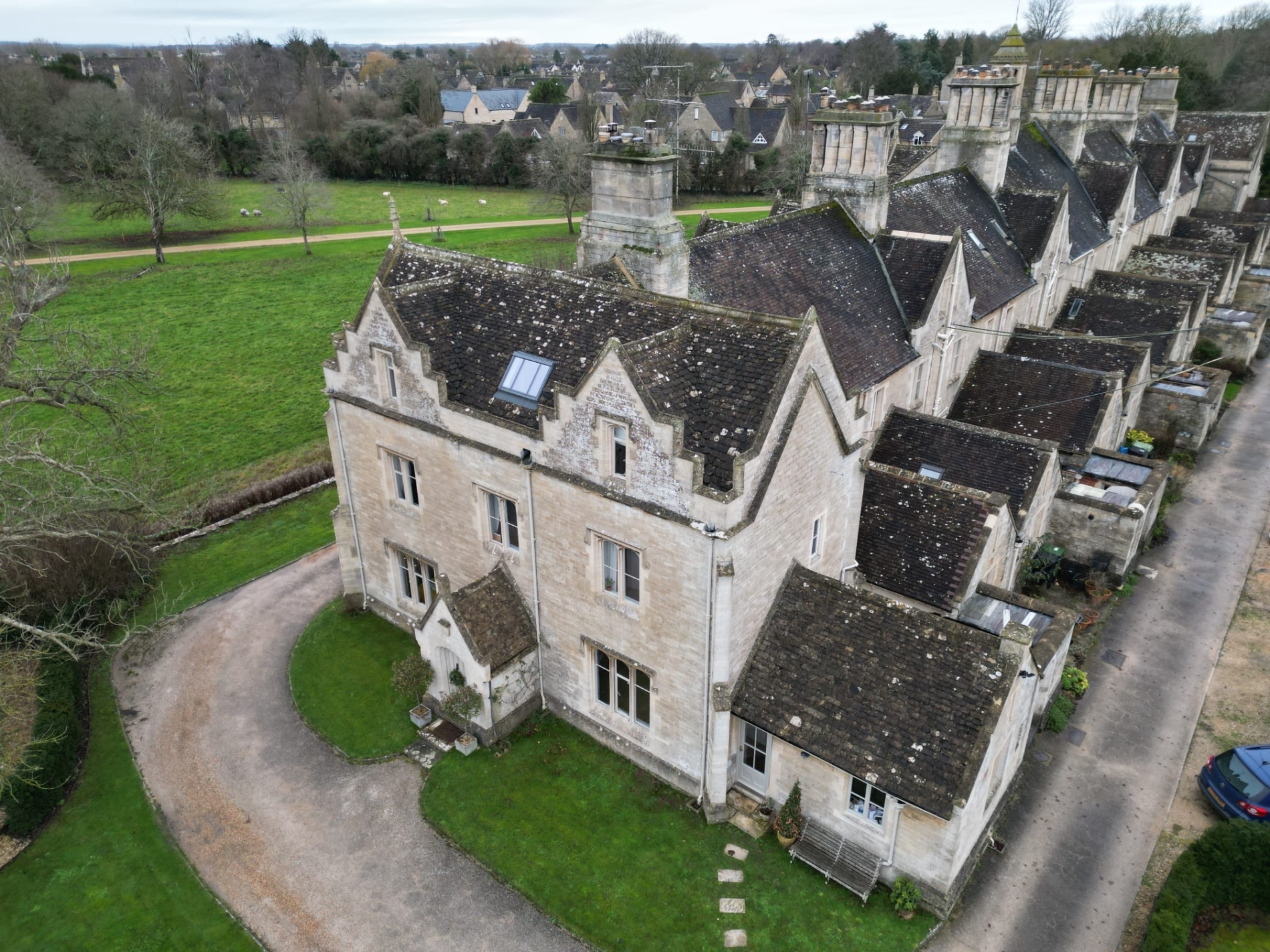
Using a telescopic pole camera and a drone, we carried out a thorough survey of the roof, chimney and rainwater goods. Using this high-level equipment showed the need for extensive roof repairs, that would not have been visible from ground level alone. The roof was pitched and covered with slate tiles, many of which had become loose, slipped and/ or cracked. We then inspected the roof space where it became evident that the underside of the roof was suffering from sick nail syndrome, highlighting that the roof would need replacing in the short term. We were able to put our clients in contact with a local roofing company who we had worked with recently to provide a quote prior to exchange. The cost for a new roof and scaffold was over £50,000.00. A significant cost for works needed on the building, that would have been missed without a building survey.

Our client used the survey findings to negotiate a substantial reduction in the property price. After the sale had gone through, we were asked to assist with the re-roofing work to ensure that the project was completed to a high standard.

We never book more than one survey a day to ensure that we are totally focused on your house survey. This means that often we spend twice the amount of time as other surveyors at the property, identifying defects, looking for the cause and establishing how much damage has occurred. This enables us to fully understand and investigate issues during our inspections. We also encourage purchasers to visit the property with us on the day of inspection to receive a full understanding of the defects noted and to ask any questions. We believe in setting high standards and giving our clients a complete survey service.

Damp survey

Case Study (Georgian / Bath Stone Property)

RICS Level 3 Building Survey in Bath

Smith Heritage Surveyors were instructed to undertake a RICS Level 3 Building Survey in Bath, Somerset on a period property of traditional construction, typical of the city’s historic housing stock. The building was of solid Bath stone construction, bedded and pointed in lime-based mortars, with traditional details that rely on breathability and effective rainwater management. All of our surveys follow a methodical approach in line with RICS and RPSA survey standards, ensuring no area is missed and that our reports are clear, balanced and practical.

Using a drone, we carried out a thorough inspection of the roof coverings, chimney stacks, parapet gutters and rainwater goods. This high-level inspection is particularly important in Bath, where Georgian terraces commonly incorporate parapets, concealed gutters, lead-lined valleys and complex drainage arrangements that can be difficult to assess from ground level. The survey identified defects that would not have been visible from a viewing alone, including areas of concern around high-level junctions, flashings and rainwater discharge points.

The roof was pitched and of traditional form, with defects consistent with age, including slipped or fractured coverings and localised deterioration to leadwork and abutments. We also identified weaknesses in the rainwater goods, including areas of misalignment and poor falls, increasing the risk of overflow. In Bath, this is a frequent cause of damp-related symptoms internally because overflowing gutters and parapet gutters can saturate the upper wall fabric and track moisture through the building.

Externally, we assessed the condition of the Bath stone ashlar, paying close attention to weathering, past repairs and pointing. Bath stone is a relatively soft limestone and is particularly vulnerable where it has been “patched” with hard cement mortars or inappropriate impermeable coatings. The survey noted areas where previous repairs appeared incompatible, with the potential to trap moisture and accelerate decay of the surrounding stone. We provided clear recommendations on how future repairs should be approached sympathetically, prioritising compatible materials and ensuring the wall fabric is able to dry.

Internally, we inspected for signs of damp, condensation and the impact of alterations. Common issues in Bath properties include moisture trapped behind modern finishes, reduced ventilation following upgrades, and cold bridging in solid walls. Our report explained where the building appeared to be performing as expected for its age and construction, and where further investigation or targeted remedial works would be sensible. Particular attention was given to vulnerable areas such as chimney breasts, party walls, window reveals and high-level corners, where moisture ingress or condensation can present first.

We never book more than one survey per day to ensure we are totally focused on your inspection. This means we have the time to investigate defects properly, look for the underlying cause, and provide clients with practical guidance that supports confident decision-making. We also encourage purchasers to visit the property with us, where possible, to gain a clear understanding of the building’s condition and the priorities for repair and maintenance.

If you are buying a period or traditional property and need a RICS Level 3 Building Survey in Bath, we would be pleased to help.

Book Your Survey

Buying a traditional property: Key elements to consider

A Full Guide to Your House Purchase

Is a building survey worth it?
A building survey can be worth it if you are planning to purchase a property or if you are planning major renovations or alterations to your current property. A building survey provides a detailed analysis of the condition of the property, including information about any structural defects, damp problems, or other issues that may affect the value or safety of the property. This information can help you make informed decisions about whether to proceed with the purchase or renovation, and can also provide valuable negotiating leverage.
What gets checked on a building survey?
A building survey typically covers a range of aspects related to the property’s condition, including:
  1. Structural elements: such as walls, roofs, foundations, and floors, are inspected for signs of damage, movement, or decay.
  2. Building materials: including brickwork, masonry, timber and roof coverings, and insulation.
  3. Services: such as plumbing, heating, electrical and drainage systems are checked for compliance with current regulations and for any defects.
  4. Energy efficiency: including insulation and ventilation.
  5. Damp and waterproofing: including the detection of rising damp, penetrating damp and other moisture-related issues.
  6. Health and safety: including fire protection and fire escape routes, and any hazardous materials used in construction.
  7. Planning and building control: including compliance with building regulations and any planning permission requirements.

It’s important to note that the scope of a building survey may vary depending on the specific needs and requirements of the property, and the surveyor conducting the inspection.

Do I need a level 2 or level 3 survey?
The type of building survey you need will depend on the condition and age of the property, as well as your specific needs and requirements. Here’s a brief overview of the two main types of building surveys:
Level 2 (HomeBuyer Report): This is an intermediate survey suitable for properties that are in a reasonable condition and have been built after 1930. It provides a concise report on the property’s condition, highlighting any significant problems or issues.
  1. Level 3 (Building Survey): This is a more comprehensive survey that provides a detailed report on the condition of the property, including information about the construction and materials used, as well as an in-depth analysis of any structural defects, damp problems, or other issues. It is suitable for properties that are older, larger, or in need of significant renovations or alterations.

If you’re unsure which type of survey is best for your needs, it’s recommended to discuss your options with a professional surveyor. They will be able to advise you on the most appropriate type of survey based on the specific needs and requirements of your property.

Why are building surveys done?
Building surveys are done for several reasons, including:
  1. Property purchase: To assess the condition of a property before purchasing it, to ensure that the buyer is aware of any potential issues or problems and to help negotiate a better purchase price.
  2. Property renovation: To identify any structural issues or problems that may need to be addressed before carrying out renovations or alterations to a property.
  3. Property maintenance: To assess the condition of a property for regular maintenance purposes and to identify any issues that need to be addressed to ensure the property remains in good condition.
  4. Legal compliance: To ensure that a property complies with building regulations and to identify any health and safety issues that may need to be addressed.
  5. Insurance purposes: To assess the condition of a property for insurance purposes, including liability insurance or damage to the property.

Building surveys can provide valuable information about the condition of a property and help ensure that the buyer, owner, or renovator is aware of any issues that need to be addressed.

Why would a house fail a survey?
A house can fail a survey for a variety of reasons, including:
  1. Structural issues: such as cracks in walls, roofs, or foundations, which can indicate instability or potential safety hazards.
  2. Building materials: such as damaged or rotting timber, which can affect the stability and durability of the property.
  3. Services: such as outdated electrical wiring or plumbing systems, which may pose a safety risk or require significant upgrades.
  4. Damp and waterproofing: such as rising damp or leaks, which can cause damage to the property and create health risks.
  5. Health and safety: such as fire hazards or the presence of hazardous materials, which may pose a risk to the occupants.
  6. Planning and building control: such as non-compliant building work or a lack of planning permission, which can impact the value and legality of the property.

It’s important to note that the severity of any issues identified in a building survey can vary greatly, and a failed survey does not necessarily mean that the property is not worth buying or inhabiting. The survey report can provide valuable information to help you make informed decisions about whether to proceed with the purchase or renovation, and can also provide valuable negotiating leverage.

Does a building survey check electrics?
Yes, a building survey typically includes a check of the electrical system. The surveyor will examine the electrical wiring, circuit breakers, and other electrical components to ensure they are in good condition and comply with current regulations. They may also check the safety of electrical installations, such as the presence of residual current devices (RCDs) and smoke detectors. The extent of the electrical check will depend on the type of survey and the specific needs and requirements of the property. If a more comprehensive electrical check is required, it may be necessary to engage an electrical contractor or specialist.
Does a surveyor check the boiler?
Yes, a building surveyor may check the boiler as part of a building survey. They will inspect the boiler to ensure it is in good working order, and may also check for any visible signs of corrosion, damage, or leaks. The surveyor may also check the age and efficiency of the boiler, and whether it complies with current safety regulations.

It’s important to note that a building surveyor is not a specialist in heating systems, and if a more comprehensive check of the boiler is required, it may be necessary to engage a heating engineer. Additionally, some types of building surveys may have a more limited scope and may not include a check of the boiler. If this is the case, it may be necessary to commission a separate heating system survey or boiler check.

Do surveyors go in the loft?
Yes, building surveyors may inspect the loft as part of a building survey. The loft is an important part of a property, as it can provide valuable information about the condition of the roof, insulation, and other structural elements. The surveyor will inspect the loft to check for any signs of damage, leaks, or other issues that may affect the stability and safety of the property.

It’s important to note that the extent of the loft inspection will depend on the type of building survey and the specific needs and requirements of the property. If access to the loft is difficult or hazardous, the surveyor may not be able to fully inspect it, and this will be noted in the survey report. In these cases, further inspections may be required, such as by a roofer or other specialist.

Can I reduce my offer on a house after survey?
Yes, it’s possible to reduce your offer on a house after a building survey. A building survey can provide valuable information about the condition of a property, including any issues or defects that may need to be addressed. If the survey reveals significant problems or defects, you may choose to renegotiate the purchase price to reflect the cost of repairs or renovations.

It’s important to communicate any concerns or issues raised by the building survey to the seller or their agent as soon as possible. They may be willing to negotiate a lower purchase price, or may be able to provide additional information or reassurance about the condition of the property.

It’s also important to keep in mind that the negotiation process can be complex and may involve legal and financial considerations. Before reducing your offer, it’s recommended to seek the advice of a conveyancer or solicitor, who can help you navigate the process and ensure that your interests are protected.

How do I prepare for a building survey?

To ensure your home and possessions are disrupted as little as possible during your buyer’s house survey, there are many ways to speed up the process and make it easier for the surveyor.

  • Clear items away from areas with common problems
  • Move furniture away from exterior walls
  • Take plants off windowsills
  • Tidy your home before the appointment

You might also want to begin packing your belongings early so that most of your prized possessions are out of the way before viewers and Chartered Surveyors come round to inspect the property.

Chartered Surveyors are trained to spot areas with potential defects, so if you know there is an area that could be of concern, it is best to notify the surveyor and leave it clear to give them access to it.

How much does a Level 3 building survey cost?

A Level 3 Building Survey with Smith Heritage starts from £750. We only carry out one survey per day, ensuring detailed, tailored reports, especially for listed and period properties, offering far greater depth than firms completing multiple surveys daily.

For an instant quote click here.

Testimonials

David undertook a comprehensive survey of a detached period property we are purchasing. We were looking for a detailed survey, warts and all, and David surveyed the house with a fine tooth comb and produced a very detailed and useful survey, together with a schedule of costs for works that he recommended be carried out which allowed us to negotiate a reduction in the purchase price. David was an absolute pleasure to deal with, very responsive, and a first-class professional. I would recommend him without hesitation.

5* Google Review

Faranak Ghajavand

We really appreciate the level of detail provided in David’s survey, for our proposed purchase of a listed building. Hugely informative and terrifically useful in our ongoing improvements if we are successful. The complete survey has given us confidence in our approach to maintenance of a building of this kind, and was delivered to us within 24 hours of viewing the property. Impressive!

5* Google Review

Jude Merriman

Speak to Smith Heritage

Contact us today

If you are purchasing, maintaining, or responsible for a historic or period property, Smith Heritage Surveyors can provide clear, professional advice.

Please contact us to discuss your property and arrange an appropriate survey.

Contact Us
RICS Level 2 Homebuyer Survey

Our Services

  • Services
  • Book A Survey
  • Contact Us
  • Building Survey in Salisbury
  • Building Survey in Winchester
  • Building Survey in Bath

Information

  • Recruitment
  • About
  • Locations
    • Building Survey in Winchester
    • Building Survey in Salisbury
    • Building Survey in Bath
  • Meet the team

Find Us

  • 01722 683 849
  • info@smithheritagesurveyors.com
  • The Old Fire Station,
    2 Salt Ln,
    Salisbury,
    Wiltshire, SP1 1DU
  • Westgate Chambers,
    Staple Gardens,
    Winchester,
    Hampshire, SO23 8SR
  • Oriel House,
    26 The Quadrant,
    Richmond TW9 1DL
  • Northgate House,
    Upper Borough Walls,
    Bath, BA1 1RG

Follow us:

Newsletter Sign-Up

© 2026 Smith Heritage Surveyors | Made by blue bee.

  • Terms & Conditions
  • Privacy Policy