
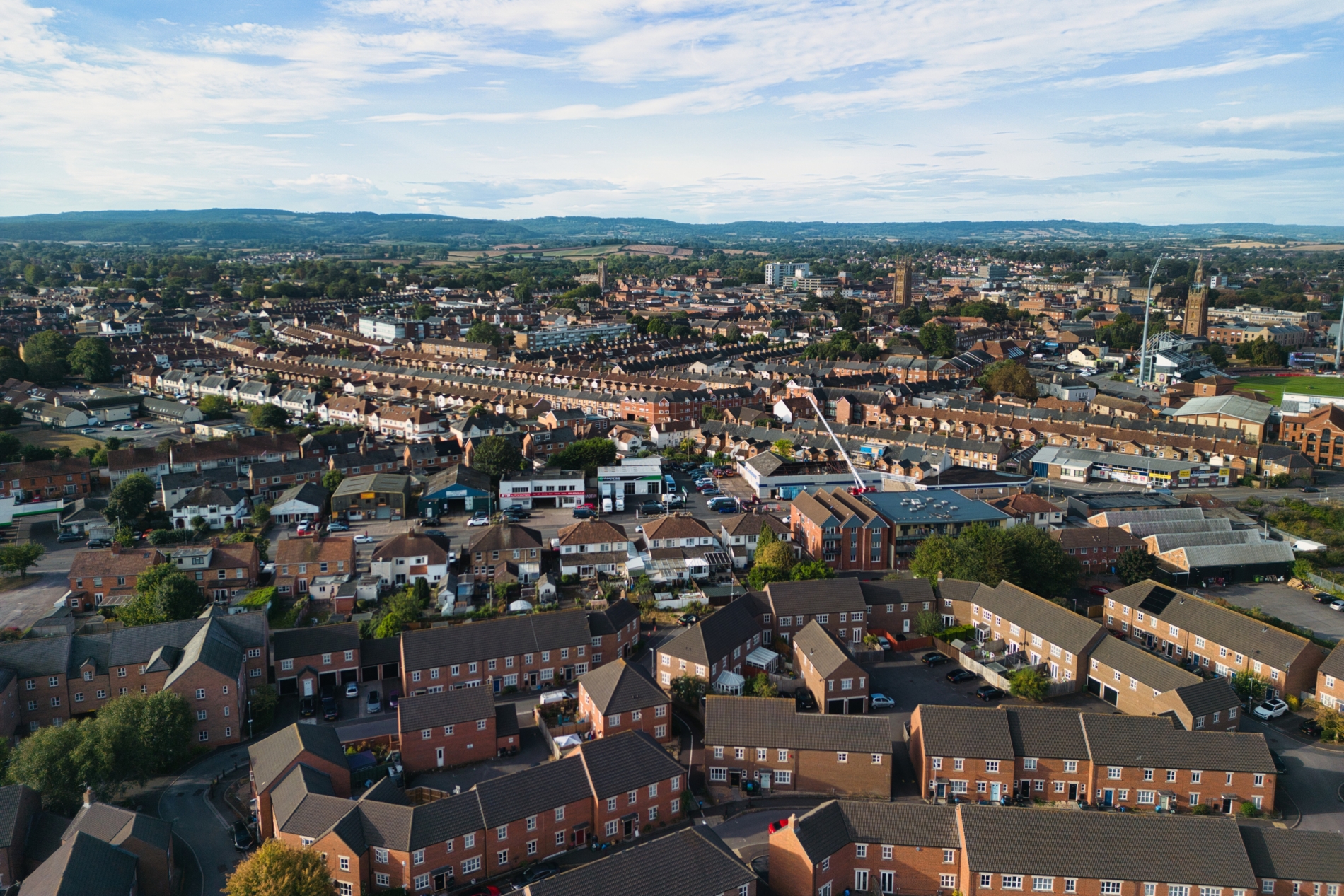
Love the property. Understand the building.
Independent RICS Building Surveyors in Somerset
Somerset is full of exceptional homes, stone cottages, traditional farmhouses, converted barns, Victorian houses, thatched properties, listed buildings and modern family homes. But character can sometimes disguise complexity.
At Smith Heritage Surveyors, we provide independent building surveys throughout Somerset, helping buyers understand what they are purchasing before they commit.
Our services include RICS Level 2 Home Surveys, RICS Level 3 Building Surveys, specialist Listed Building Surveys, Damp & Timber Surveys and Defect Investigations.
We have particular expertise in older, period and traditionally constructed properties, but survey homes of all ages.
Our aim is straightforward: to explain the condition of the building, identify significant defects and future liabilities, and help you understand what requires attention now, what can be planned for later and which questions should be answered before exchange.
One survey per surveyor per day. Independent advice. Detailed reporting. Personal aftercare.
Get Your Somerset Building Survey Quote
Not sure which survey you need? Send us the property listing and we’ll help you choose.
Local expertise
Somerset Is Where Our Story Began
Smith Heritage Surveyors began working across Wiltshire and Somerset before expanding into Bath, London, Winchester and the wider South of England.
That early work with rural cottages, period homes and traditional buildings helped shape the practice we are today.
Somerset remains an important part of our work, with our surveyors regularly travelling throughout the county to inspect properties ranging from modern homes to complex historic buildings.
Whether you’re moving from elsewhere in the country or buying locally, we want you to understand the property before you take responsibility for it.
Because buying an older home should not mean accepting every problem as “just character”.
And finding a defect should not automatically mean the property is unsuitable.
The important thing is understanding the difference.
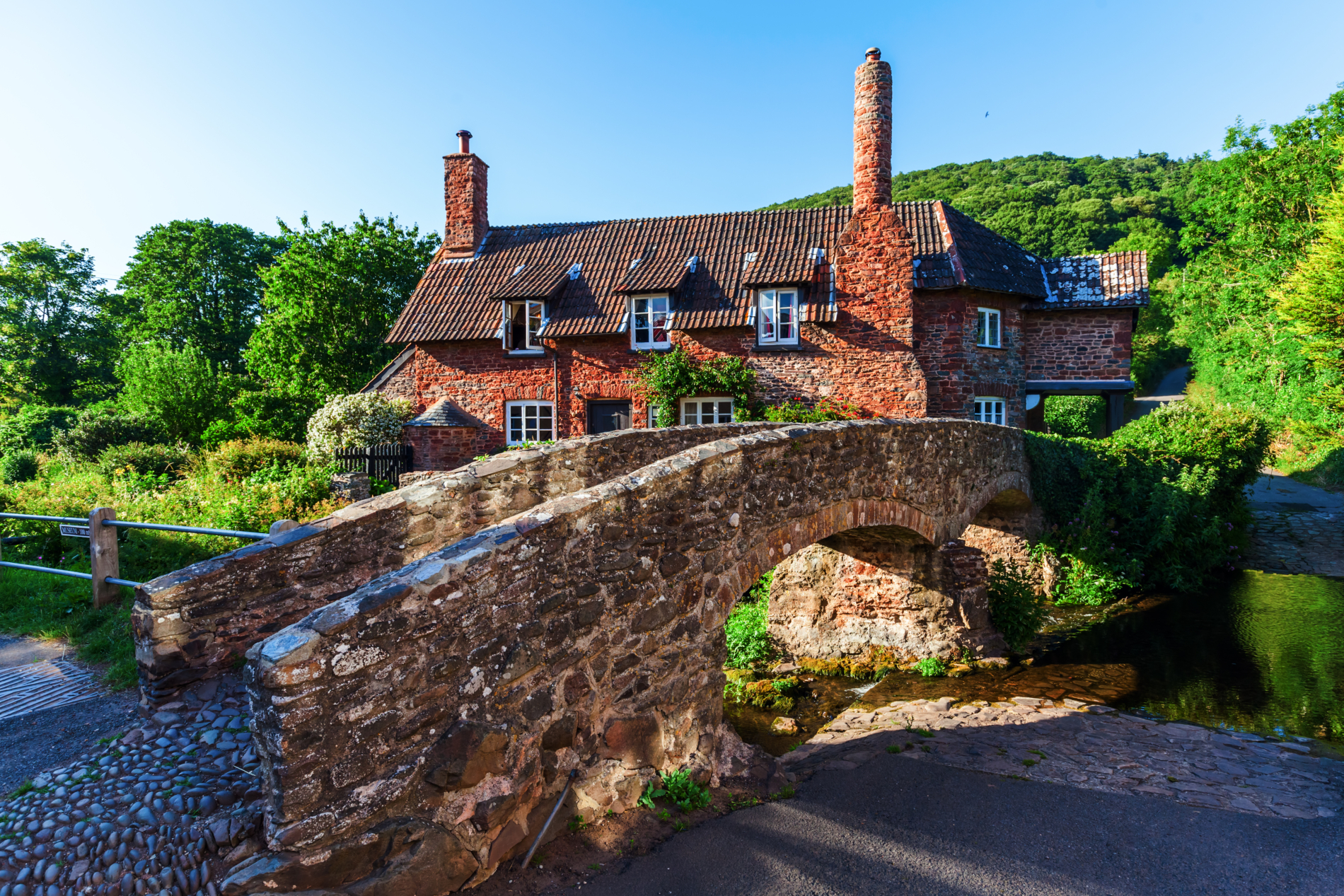

Building Surveys Designed Around the Property
Surveying Traditional Somerset Properties
There is no single “Somerset house”. The county’s buildings reflect centuries of settlement, farming, local geology, changing construction methods and generations of alteration. That matters when surveying them.
A Victorian house in Taunton presents different questions from a stone cottage near Yeovil. A converted barn requires a different approach from a 1930s house. A listed farmhouse may incorporate several different periods of construction within the same building.
Our surveys consider the building’s age, materials, construction, condition, previous alterations and your plans for the property. We do not simply identify defects. We explain what they may mean.
We regularly carry out surveys on a range of historic property types across Somerset, including:
- Listed buildings (Grade I, II*, and II)
- Traditional farmhouses and rural cottages
- Converted barns and former agricultural buildings
- Properties built using local stone and lime mortars
- Older buildings with complex alteration histories
Understanding construction chronology is essential to accurate diagnosis.
Detailed Advice for Older, Altered and More Complex Homes
RICS Level 3 Building Surveys in Somerset
A RICS Level 3 Building Survey is the most detailed level of RICS Home Survey and is particularly appropriate for older, larger, altered, unusual or visibly defective properties, as well as homes where substantial refurbishment is planned.
Somerset contains a large number of properties where this additional level of investigation can be valuable — from traditional stone cottages and Victorian houses to farmhouses, converted agricultural buildings and substantially altered country properties.
Our Level 3 survey considers the building as a whole.
We inspect the visible and accessible construction, identify significant defects and provide detailed commentary on likely causes, implications and appropriate next steps.
The survey can include assessment of roof coverings, chimneys and rainwater goods; accessible roof structures; walls and floors; windows and doors; dampness and moisture movement; timber deterioration; cracking and structural movement; previous extensions and alterations; external ground levels; drainage-related concerns and future maintenance requirements.
Where conditions and circumstances allow, drone or telescopic pole-camera inspection may be used to gain improved views of high-level roof coverings, chimneys and other difficult-to-access areas.
Where reasonably possible, we can also provide indicative repair-cost guidance, giving you a clearer idea of the possible financial implications before you proceed. These figures are intended for budgeting and do not replace quotations from suitably qualified contractors.
Most importantly, we explain what deserves priority.
A useful Level 3 survey shouldn’t simply tell you that something is defective. It should help you understand what to do about it.
RICS Level 3 Building Surveys start from £750.
Explore Our RICS Level 3 Building Survey


Historic Buildings Need More Than a Conventional Survey
Listed Building Surveys in Somerset
Owning a listed building can be enormously rewarding. It can also involve responsibilities that are very different from owning a modern home.
Somerset contains an exceptional variety of historic buildings, including listed cottages, farmhouses, townhouses, former agricultural buildings, timber-framed properties and substantial country homes.
Our Listed Building Surveys provide a detailed assessment of condition while paying particular attention to historic construction, surviving fabric, previous alterations and appropriate approaches to repair.
We consider the building as an evolving structure rather than something constructed in a single moment.
A farmhouse may contain an early core, later extensions, nineteenth-century alterations and twentieth-century services, all behaving differently within the same building.
Understanding those relationships can be essential when diagnosing defects.
Particular attention may be given to:
- traditional masonry and mortars;
- historic roof structures and coverings;
- timber framing and joinery;
- moisture behaviour and ventilation;
- inappropriate modern repairs;
- previous structural alterations;
- later extensions and conversions;
- evidence of timber deterioration;
- listed-building and conservation considerations; and
- matters requiring further investigation by your solicitor or another specialist.
Where alterations raise questions about Listed Building Consent, planning permission or Building Regulations, we identify those matters for your solicitor to investigate.
The survey cannot certify that every historic alteration was authorised, but it can help identify the questions that should be answered before ownership transfers to you.
Age itself is not a defect. Our job is to distinguish historic character and normal ageing from deterioration that genuinely requires intervention.
Somerset's Buildings Are Written in Its Landscape
Survey Services for Somerset Property Owners and Buyers
One of the fascinating things about surveying in Somerset is the extraordinary variation in traditional building materials.
Local geology has shaped the appearance and construction of villages and towns for centuries.
Across different parts of Somerset you may encounter Hamstone, Blue Lias limestone, red sandstone and other locally quarried stones, while areas without convenient building stone historically made greater use of materials such as cob, brick and thatch.
That local variation matters.
Traditional masonry does not simply provide appearance — it forms part of the way the building manages moisture, weathering and movement.
A repair material appropriate for one building may be inappropriate for another.
For example, heavily cement-based pointing or render applied to an older permeable wall can change how moisture moves through the construction. Likewise, replacement stone should be considered in relation to the existing material rather than selected simply because it looks similar.
Our approach is to understand the material before recommending the repair.
Hamstone
The warm, honey-coloured Hamstone seen throughout parts of South Somerset has been used for centuries and remains one of the area’s most recognisable building materials.
When inspecting Hamstone buildings, the important question is not whether the stone looks weathered, historic stone inevitably does.
The question is whether weathering remains superficial and stable or whether deterioration is beginning to affect the stone’s performance, detailing or ability to shed water.


Blue Lias
Blue Lias is another material strongly associated with parts of Somerset.
Historic examples can show distinctive weathering patterns, and individual stones may deteriorate differently depending on their composition and exposure.
Repairs should therefore be based on the actual condition of the masonry rather than an assumption that every weathered block needs replacing.
Lime Mortars and Breathable Construction
Many traditional Somerset buildings were constructed using lime-based mortars and finishes.
These buildings often manage moisture differently from modern cavity-wall construction.
Where later impermeable materials have been introduced, their effect on moisture movement should form part of any investigation into dampness or masonry deterioration.
Traditional construction needs to be understood on its own terms, not judged solely by modern building conventions.

Treating the cause, not the symptom
Independent Damp & Timber Surveys in Somerset
Dampness is one of the most common concerns raised by purchasers of older homes.
Unfortunately, it is also one of the most frequently oversimplified.
A high reading from a handheld moisture meter does not, by itself, establish the source of moisture or prove that chemical damp-proofing is required.
Our independent damp and timber investigations consider the wider building.
We may consider factors including roof and rainwater defects, drainage, external ground levels, plumbing leaks, condensation, ventilation, traditional solid-wall construction, previous cement-based repairs and timber condition.
Thermal imaging and other diagnostic tools may be used where appropriate, but equipment supports professional judgement, it does not replace it.
Smith Heritage Surveyors does not sell damp-proofing treatments.
Our role is to investigate the likely cause and provide independent advice on proportionate next steps.
Were here to help
Buying a Somerset Farmhouse, Cottage or Barn Conversion?
Some properties deserve a conversation before you even choose the survey.
A rural property may include barns, annexes, retaining walls, historic outbuildings, private drainage, wells, boreholes, septic tanks or extensive alterations.
Tell us about these when requesting your quotation.
We can agree what is included within the inspection and explain where additional specialist investigation may be sensible.
Converted agricultural buildings deserve particular attention.
A historic barn may contain substantial surviving timber or masonry alongside modern structural work, insulation, glazing and services introduced during conversion.
Understanding how those different phases interact is often just as important as assessing each element individually.
Send Us the Property Details and we can advise you on the correct survey.

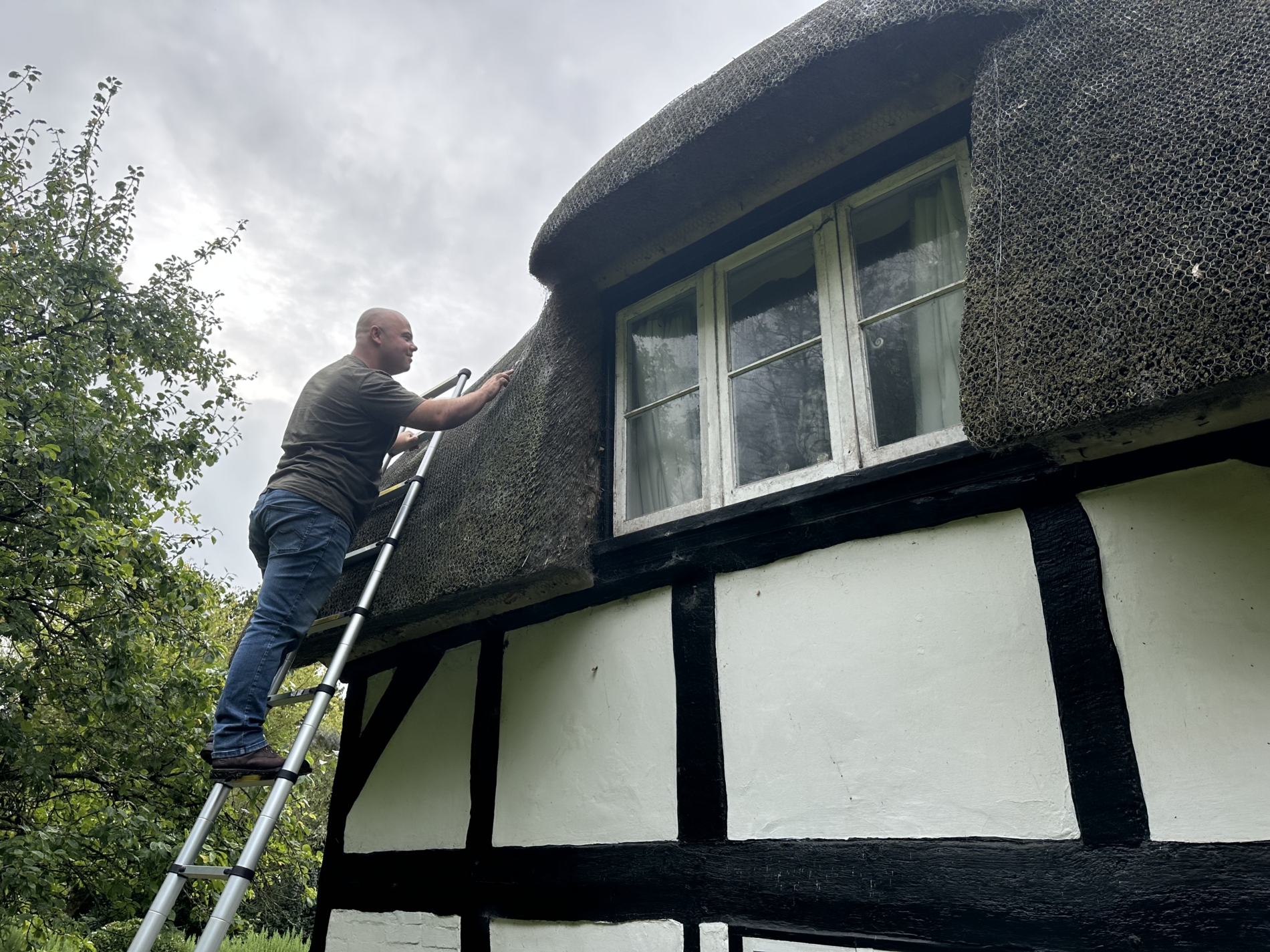
Were recommended by leading thatching bodies
Buying a Thatched Property in Somerset?
Thatch remains an important feature of Somerset’s rural building stock.
A thatched roof should not be treated like a conventional tiled or slated roof.
We consider visible roof condition, ridge detailing, chimney relationships, evidence of weathering and accessible supporting structure, together with any evidence of water penetration or deterioration.
Where the roof requires additional specialist advice from an experienced thatcher, we will recommend it.
We've been here, along time!
Heritage specialists who know the area
One Survey Per Surveyor Per Day
We deliberately limit each surveyor’s diary to one survey per day and a maximum of three per week.
That gives us time to inspect properly, consider the findings and prepare a detailed report rather than rushing between multiple properties.
Truly Independent Advice
We are not owned by or affiliated with estate agents, mortgage lenders or property developers.
Our responsibility is to our client.
If we believe a defect requires serious consideration, we will tell you. If something is relatively minor or manageable, we will tell you that too.
Heritage Knowledge With Practical Building Experience
Our team combines professional surveying knowledge with practical experience of traditional construction, historic-building conservation and building pathology.
That allows us to consider not only what has happened to a building, but often why.
Clear Reports
Our reports are illustrated and written to be understood.
We explain immediate concerns, maintenance priorities, further investigations and practical next steps.
Support After the Survey
You can speak to your surveyor after receiving your report to discuss the findings and clarify recommendations.
Our team also remains available by telephone, email and WhatsApp for reasonable follow-up questions.
We don’t want to send you a large report and disappear.
Where do we cover
Building Surveys Across Somerset
We undertake surveys throughout Somerset, including:
Taunton · Wells · Frome · Glastonbury · Street · Bridgwater · Yeovil · Shepton Mallet · Castle Cary · Wincanton · Somerton · Crewkerne · Ilminster and surrounding villages
We also work across rural Somerset, where the property’s construction and complexity may be more important than its postcode.
If you’re unsure whether we cover your location, send us the property listing or get a quote here.
Independent advice. Specialist knowledge. Time to inspect properly.
RICS Level 3 Building Surveys from £750.
Frequently Asked Questions About Building Surveys in Somerset
Yes and we have been established for over a decade
Yes.
We regularly work with traditionally constructed and thatched properties and can advise where additional specialist thatching input is required.
Where appropriate, legally permitted and weather conditions allow, we may use a drone or telescopic pole camera to supplement our inspection of high-level roof areas.
The technique used depends on the property and circumstances on the day.
Where reasonably possible and appropriate to the service, we can provide indicative repair-cost guidance to help with budgeting.
For significant or specialist works, contractor quotations should still be obtained and we can provide in depth schedule of budget costs, as part of the survey for around £500.00.
Survey findings can provide evidence for further discussion with the seller, particularly where significant previously unknown repair liabilities are identified.
There is no guarantee that a seller will renegotiate.
The principal purpose of the survey is to ensure you understand the property before making your final decision.
Yes, and we encourage it.
Your report should be the beginning of understanding the building, not the end of the conversation.
What our customers say about us
With over 200 five star reviews, Smith Heritage Surveyors has earned a strong reputation for delivering clear, professional surveying advice.
If you are purchasing, maintaining, or responsible for a historic or period property, Smith Heritage Surveyors can provide clear, professional advice.
Please contact us to discuss your property and arrange an appropriate survey.